OPINION
Washington has a job shortage
“We have the talent, interest, and the training,” in Washington. So why do myths about a labor shortage persist?
by HEATHER KURTENBACH
(February 24, 2026) — Over and over, we hear there is a “skilled labor shortage” in construction, and that we simply don’t have enough skilled workers to meet demand. But we see a very different reality every day as the people who train and represent this workforce.
At the end of 2025 — with only 75% of our affiliated unions reporting — nearly 9,955 union construction workers in Washington were out of work. That number includes more than 1,700 apprentices who are still trying to complete their required hours but can’t get dispatched to job sites. And on top of that, more than 8,000 Washingtonians are on wait lists to get into union construction apprenticeship programs.
You don’t end up with almost ten thousand skilled workers out of work — and over eight thousand waiting to start an apprenticeship — because of a labor shortage. You end up with numbers like that when the job pipeline dries up.

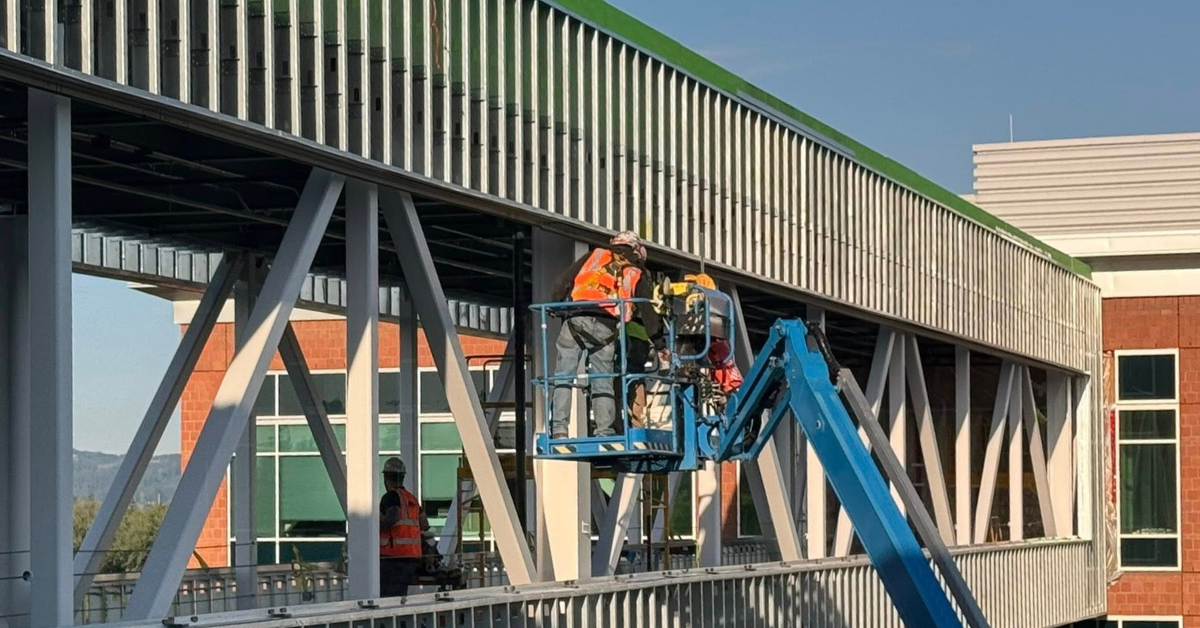
Photo: WSBCTC
Washington has one of the strongest union apprenticeship systems in the country. These programs are rigorous, jointly overseen by labor and employers, and designed to meet industry demand. They attract thousands of applicants each year — people who want stable careers, family supporting wages, and the chance to work in a trade where skill really matters. But that system depends on one essential ingredient: consistent work.
When apprentices cannot get the job hours needed to complete their training, programs cannot responsibly bring in new applicants. When workers sit on out-of-work lists for months at a time, families suffer. The problem isn’t that Washington lacks people who want to build. The problem is that there are not enough jobs for them to go to. This false narrative of a “skilled labor shortage” threatens our ability to deliver on the state’s biggest priorities — housing, transportation, clean energy, climate resilience, and public infrastructure.
At the Washington State Building and Construction Trades Council, we represent 48 Building Trades unions throughout the state. Across these trades, we have the capacity to build what Washington needs. We have the talent, the interest, and the training. We are always ready. What we don’t have is a reliable flow of projects that keeps the workforce moving from one job to the next without long gaps in between.
Pathways to the trades don’t begin with recruitment; they begin with employment. It doesn’t matter how many people want to join a trade if the existing apprentices can’t finish their training because there isn’t enough work.
If Washington wants to meet its infrastructure goals and continue training the next generation of skilled workers, the solution cannot be found in recruiting more workers or standing up more apprenticeship programs. The solution is far simpler: create jobs.
Let’s be clear: Washington doesn’t have a skilled labor shortage. Washington has a job shortage.


This column was originally published in the most recent WSLC Workforce Development newsletter. Subscribe to get that quarterly newsletter in your inbox.