NATIONAL
Maritime unions denounce Jones Act waiver
The Trump administration’s decision to waive prohibition on foreign vessels moving goods in U.S. waters “will not provide meaningful relief at the gas pump”
WASHINGTON, D.C. (March 19, 2026) — Eight of the nation’s maritime labor organizations are speaking out against the Trump/Vance administration’s 60-day waiver of the Jones Act, arguing that a broad suspension of the legal framework requiring U.S. vessels to carry goods in U.S. waters and between U.S. ports harms maritime workers without providing any meaningful relief to working people at the gas pump.
The Jones Act, a section of the Merchant Marine Act in 1920, requires that all goods carried on the waters between U.S. ports be transported on ships built in the U.S. and crewed by American citizens and permanent residents. The Trump/Vance administration announced a two month waiver of the Act yesterday, justifying the move as an attempt to increase flow of oil, natural gas, and other materials into the country as oil prices continue to rise.
The maritime unions, representing the folks that do the work, are pointing out the flaws in that approach.
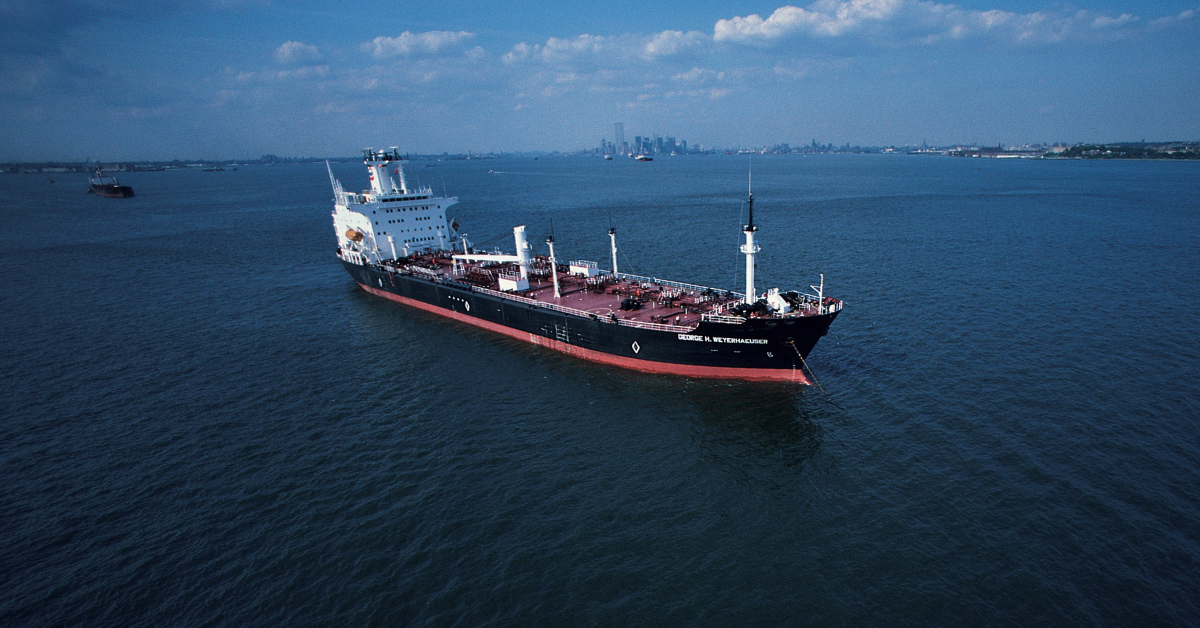
“Jones Act waivers are intended to meet a strict legal standard and are traditionally granted only in narrow, clearly defined national security emergencies where U.S.-flag capacity is unavailable,” wrote the unions. “Maritime labor has supported narrowly tailored Jones Act waivers in the past when they were obviously justified in the national interest, but this sweeping action does not meet that standard.”
The American Maritime Officers; American Radio Association; International Organization of Masters, Mates and Pilots; Marine Firemen’s Union; Marine Engineers’ Beneficial Association; Maritime Trades Department, AFL-CIO; Sailors’ Union of the Pacific; Seafarers International Union; and the Transportation Trades Department, AFL-CIO all signed on to the statement.
“To be clear, this decision will not provide meaningful relief at the gas pump. It has been plainly shown that the primary driver of gasoline prices remains the global cost of crude oil, and multiple analyses demonstrate that domestic shipping accounts for less than one cent per gallon. Any marginal savings will not reach consumers but will instead reward foreign shipping interests at the expense of American workers.”
As military conflict in Iran and the Gulf continue to drive up the cost of oil and natural gas, maritime unions are urging the federal administration to revisit the decision to waive the Jones Act.
“Maritime labor calls on the Administration to reverse course and work with stakeholders on real solutions that address energy costs without sacrificing American jobs, national security, or the long-term strength of the U.S. maritime industrial base.”



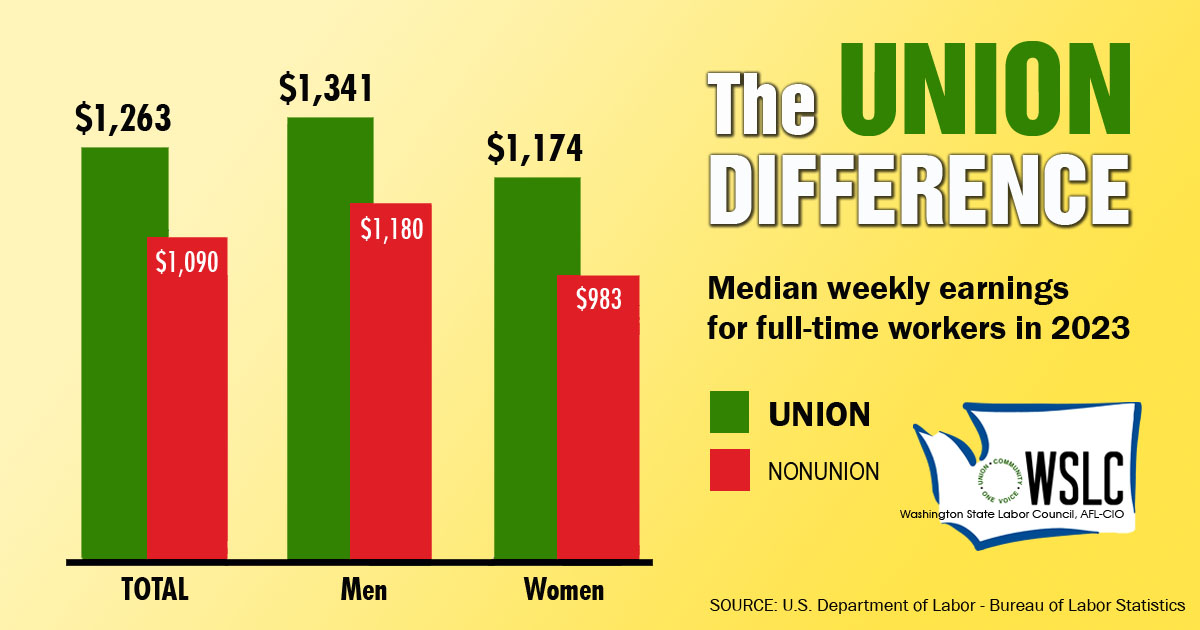
CHECK OUT THE UNION DIFFERENCE in Washington: higher wages, affordable health and dental care, job and retirement security.
FIND OUT HOW TO JOIN TOGETHER with your co-workers to negotiate for better wages, benefits, and a voice at work. Or go ahead and contact a union organizer today!