NATIONAL
Women in Construction week
Labor is celebrating trades women’s skills, leadership, and contributions to our movement
(March 4, 2026) — More than a million women across the U.S. clock in every day to build our roads, bridges, city skylines, and neighborhoods. And every year, their contributions are honored during Women in Construction week, held during the first week of March. A decades-long tradition, Women in Construction week is more than a feel-good event. It’s a recognition that while trades women are breaking metaphorical glass ceilings, they’re a key part of the workforce cutting and installing glass (and more), too.
Women make up more than 11% of the U.S. construction workforce, a sharp increase from a decade prior. The number of union construction and building trades workers across gender has grown significantly in recent years, with North America’s Building Trades Unions (NABTU) reporting 88,000 new apprentices in 2025 and over 300,000 men and women enrolled in registered apprenticeship programs over the last two years alone. NABTU credits that growth to decades of workforce development work by trades unions, in recent years spurred by federal infrastructure investments and energy policies. At the same time, concentrated work to uplift and empower women to learn a trade has significantly expanded the numbers of women working in construction.
Women’s increasing presence in the trades is exhibited every year through NABTU’s iconic conference, Trades Women Build Nations, bringing together hundreds of tradeswomen for an annual conference and march.
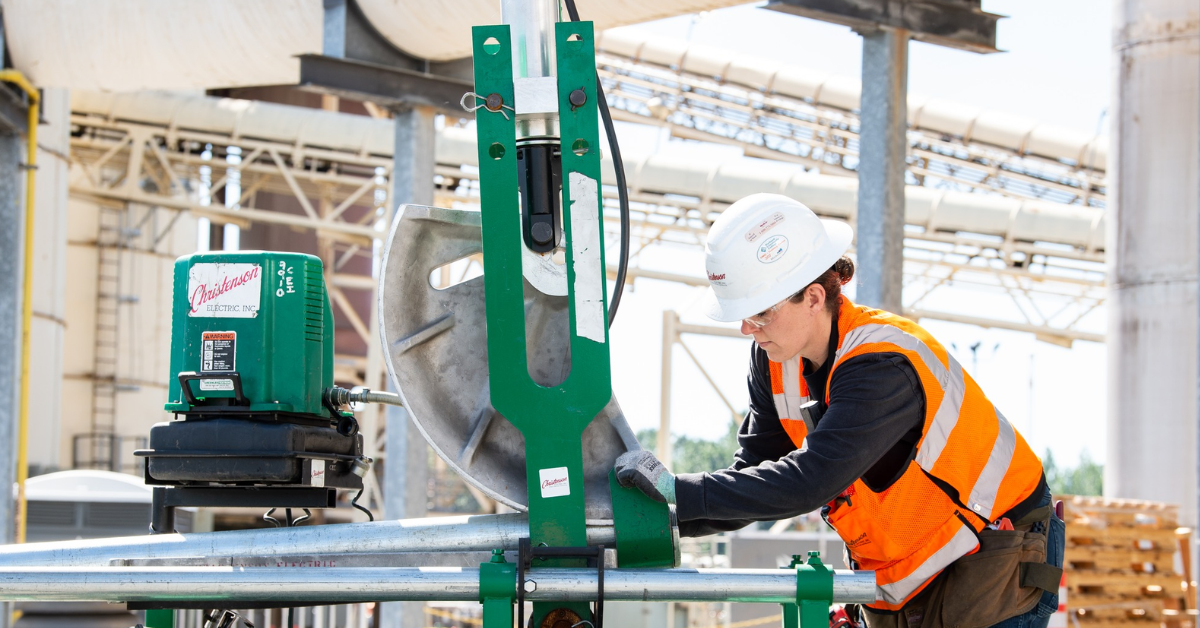
Photo: Washington State Building & Construction Trades Council
In Washington state, tradeswomen are leaders and innovators in the labor movement. The Washington State Building and Construction Trades Council, representing dozens of local unions, has an all-women staff team, lead by Executive Secretary Heather Kurtenbach, an ironworker. And rank and file women are stepping up to build spaces that welcome and support women apprentices and journeyworkers, often through women’s committees in their locals. For example, the Sisters of 76, the IBEW Local 76 Women’s Committee, provides spaces for women apprentices to build community, puts on workshops and trainings, and even created a work clothing bank.
While women’s representation in the trades has grown rapidly, barriers still exist. A significant obstacle for many women is lack of childcare options, especially during apprenticeships. Seeing that need, the Pierce County Central Labor Council is working with partners to develop the Pierce Labor Childcare and Workforce Education Center to expand access to low-cost, non-standard-hour childcare for working families and support workers in state-registered apprenticeship.
As Women in Construction week continues, local labor unions and councils are highlighting women’s contributions to the movement, past and present:



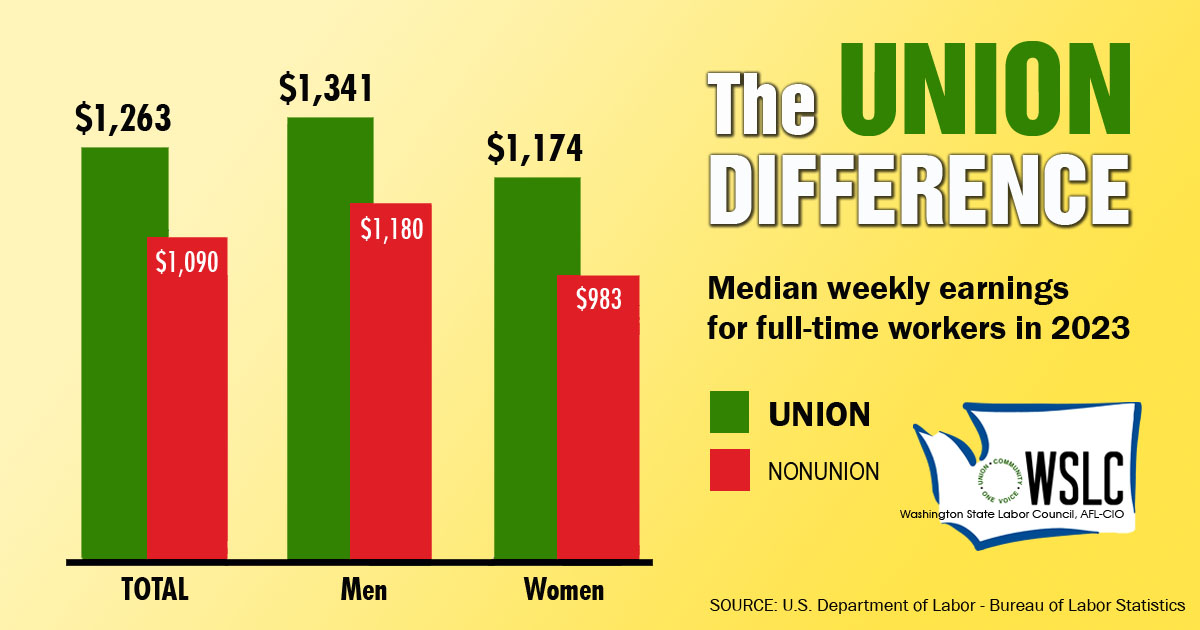
CHECK OUT THE UNION DIFFERENCE in Washington: higher wages, affordable health and dental care, job and retirement security.
FIND OUT HOW TO JOIN TOGETHER with your co-workers to negotiate for better wages, benefits, and a voice at work. Or go ahead and contact a union organizer today!