OPINION
Washington knows the climate problem. Building remains the test.
by CASSIE BORDELON & HEATHER KURTENBACH
(March 12, 2026) — Washington is facing two crises at the same time: a shortage of clean, affordable energy and a shortage of family-wage, union jobs. These issues are intertwined and the result of political inaction, bureaucratic paralysis, and a failure to follow through on promises already made to working people.
Right now, more than 10,000 building and construction trades workers are sitting on out-of-work lists across the state. At the same time, billions of dollars in clean energy projects are stalled or abandoned because Washington has made it too hard to build the infrastructure required by our own climate laws.
The Clean Energy Transformation Act of 2019 and the Climate Commitment Act of 2021 promised a future where climate leadership would drive economic growth and create good-paying jobs. Instead, we have a system that looks progressive on paper and dysfunctional in practice.
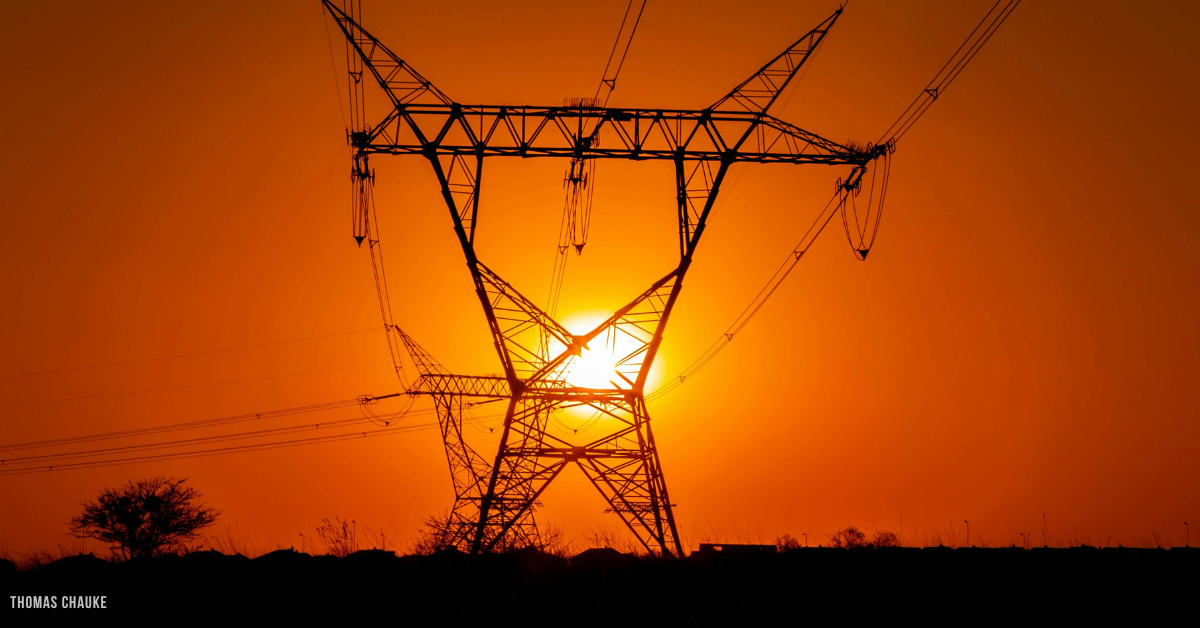
A recent report from Clean and Prosperous Washington—Build SHIIT (Sustainable High Impact Infrastructure Together)—puts a hard number on the damage: $149 billion in private clean energy investment is currently stuck in Washington’s permitting and siting process. These are real projects, real paychecks, and real tax revenue sitting on the sidelines while workers wait and communities struggle.
“Our members were promised that leading on climate would mean a new era of economic development and good-paying jobs,” said Cassie Bordelon, Executive Director of Climate Jobs Washington. “Instead, they see a compounding crisis: chaos at the federal level, austerity at the state level, and a lack of political will to streamline processes that would spur economic development.”
This moment is especially dire because it comes after lawmakers in Olympia confronted our serious budget shortfall. Clean energy development programs—programs workers and working families were told to rely on—are now at risk of being cut. The result is a self-inflicted economic wound: we are blocking private investment, losing jobs and tax revenue, and then using the resulting deficit as justification for austerity.
“We are in crisis mode. Over 10,000 workers are out-of-work across the state” said Heather Kurtenbach, Executive Secretary of WA State Building and Construction Trades. “When Washington creates barriers to private investment, companies choose to spend their billions elsewhere. When those companies leave, they take thousands of construction and operational jobs with them. That means no new projects, no new revenue, and fewer dollars circulating in local economies. An investment in clean energy is an investment in Washington’s workers.”
___
Unemployed workers aren’t shopping at local stores, eating at neighborhood restaurants, or supporting small businesses. Entire communities feel the impact. Worse still, when workers lose a union job, they often lose their healthcare. That pushes families onto state programs like Washington Apple Health at the very moment the state is preparing to cut social services because revenue is down.
Putting people to work in family-wage, union jobs stabilizes healthcare access, strengthens families, and boosts local economies. Money earned by workers is money spent in their communities. That economic activity reduces reliance on public assistance and improves overall community well-being.
“At a time when Washington’s workers have been abandoned by the federal government, we are looking for our state to lead,” said April Sims, President of the WA State Labor Council. “Good-paying jobs provide health benefits to our workers, spur community-level economic growth, and ensure the stability necessary for families to thrive. We cannot squander the opportunity to address two of the most pressing issues of our time: skyrocketing economic inequality and a growing climate crisis.”
As the first round of cutoffs passed this legislative session, lawmakers faced important choices about how to accelerate clean energy development and put people back to work. The legislature made meaningful progress by advancing policies like HB 1210 and HB 1960, which support clean energy deployment and economic opportunity. At the same time, several proposals aimed at further unlocking clean energy development did not move forward this year.
Efforts to reform permitting and siting processes stalled, and a bill to allow transmission line reconductoring—mirroring an exception to NEPA for upgrading existing high-voltage transmission lines established by the Biden administration—also did not pass. These conversations underscored the continued need to streamline infrastructure upgrades, incentivize development through local tax policy, and ensure the state’s clean energy transition prioritizes family-wage jobs.
Washington has never lacked ambition when it comes to climate policy. What we lack is the urgency to build at the scale those policies require. If the state wants to lead on climate, it must also lead on construction—cutting red tape, unlocking private investment, and putting skilled trades workers back on the job building the clean energy infrastructure our future depends on. The path forward is clear: build the projects, create the jobs, and deliver on the promise that climate action and economic opportunity go hand in hand.
Cassie Bordelon is Executive Director of Climate Jobs Washington. Heather Kurtenbach is Executive Secretary of the Washington State Building and Construction Trades Council.



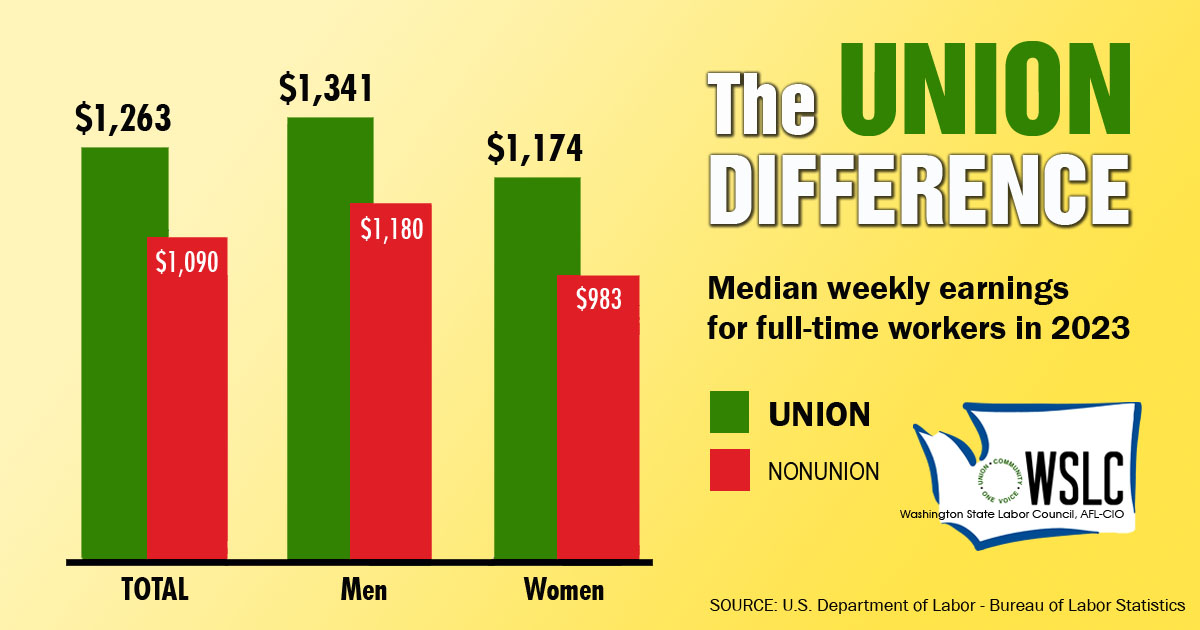
CHECK OUT THE UNION DIFFERENCE in Washington: higher wages, affordable health and dental care, job and retirement security.
FIND OUT HOW TO JOIN TOGETHER with your co-workers to negotiate for better wages, benefits, and a voice at work. Or go ahead and contact a union organizer today!