NATIONAL
OSHA scraps heat-related inspection targets, risking workers’ lives
A new directive from OSHA backs away from heat protection enforcement metrics — a gift to corporations at a potentially deadly cost to workers
SEATTLE, WA (April 22, 2026) — A new directive from the Trump administration’s Occupational Safety and Health Administration (OSHA) is risking workers’ lives warns the AFL-CIO. That directive modifies the National Emphasis Program for Outdoor and Indoor Heat-Related Hazards, removing targets for enforcement inspections to ensure companies are meeting their obligation to protect workers from dangerous, even fatal, heat exposure.
“The new directive turns a once proactive enforcement approach into a reactive one, removing specific targets that inspectors rely on to conduct independent investigations, speak directly with workers, and enforce health and safety laws—especially critical at a time when the Trump administration is already issuing fewer warnings and citations to employers,” said AFL-CIO President Liz Shuler in a statement denouncing the change.
Inspection targets were a hallmark of a Biden-era approach to enforcement — one that yielded meaningful change. Per the United Farm Workers (UFW), OSHA conducted 200 inspections annually before the Biden National Emphasis Program; between April 2022 and December 2024 the number of OSHA heat-related inspections rose to over 7,000. Removing these inspection targets makes it “terrifyingly unclear whether OSHA will still proactively inspect hot worksites,” wrote UFW Digital Director Jocelyn Sherman in an email blast.

Photos: Mahmut Yılmaz, Mukhtar Shuaib. Design: The STAND
The danger is not theoretical. More than 2,600 workers have died from heat exposure in the past five years alone. While nothing in the new directive prevents employers from proactively meeting their obligation to protect workers, the notion that bosses will step up without government enforcement doesn’t match the reality on the ground.
“It’s been our experience that growers won’t do anything until there’s some kind of response from the state,” said Edgar Franks, Political Director for independent farmworker union Familias Unidas por la Justicia, discussing how extreme heat impacts farm workers in Washington state.
In Washington, agricultural work is concentrated in the summer months. Because of climate change, the Pacific Northwest is increasingly seeing extreme temperatures once uncommon in the region.
“That puts another added level of stress on farm workers on top of working conditions and pay,” said Franks.
Washington state has it’s own outdoor heat standards; Franks has seen how enforcement of those standards can make a difference, when inspectors make sure workers know their rights — and employers know they’ll face fines if they don’t provide required preventative rest breaks or take other steps to mitigate extreme heat risk. But the state does not yet have specific indoor heat standards. For workers exposed to extreme heat both outdoors and inside, standards at the federal level remain deeply important.
“As Executive Secretary of the Washington State Building Trades, representing thousands of construction workers across 48 unions, I can say clearly: protecting workers from extreme heat must remain a top priority,” said Heather Kurtenbach. “These are skilled professionals who are essential to building our communities, and they deserve to return home safely at the end of every shift.”
“Our members are out in the elements every day—working in direct sun, on hot surfaces, and inside buildings that don’t yet have ventilation or cooling systems,” continued Kurtenbach. “Extreme heat is not an abstract issue; it’s a daily reality that can quickly become life-threatening without proper protections in place.”
Walking back heat-related inspection targets is only one of the ways that the Trump administration is ratcheting up extreme-heat risks for working people. Trump’s Environmental Protection Agency recently moved to revoke the science-backed, legal basis for U.S. climate policy and has systematically unraveled regulations limiting carbon emissions and other steps to combat climate collapse.
“The root [of extreme heat] is the burning of fossil fuels,” said Franks. “I don’t think corporations or big companies are doing anything really to stop the current crisis. So it’s up to workers, because workers on the front lines — even in refineries or in all the industries that work with fossil fuels — are also impacted by this.”
In the words of AFL-CIO President Shuler: “As climate change accelerates and heat-related illnesses rise alongside temperatures, the Trump administration is willfully putting workers’ lives at risk to pad the pockets of corporations.”



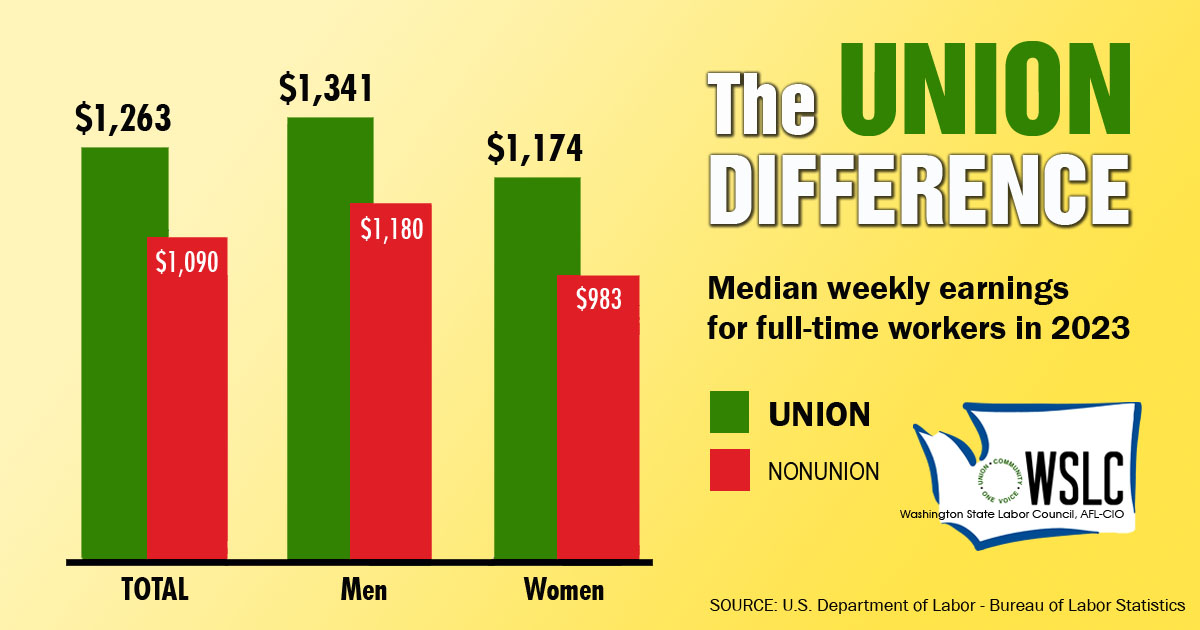
CHECK OUT THE UNION DIFFERENCE in Washington: higher wages, affordable health and dental care, job and retirement security.
FIND OUT HOW TO JOIN TOGETHER with your co-workers to negotiate for better wages, benefits, and a voice at work. Or go ahead and contact a union organizer today!