NATIONAL
OSU basketball players form first women’s college sports union
The AFL-CIO Sports Council has voiced support for the players as they fight for official recognition after a multi-year organizing campaign
BEAVERTON, OR (August 18, 2026) — Oregon State University women’s basketball players have filed a petition for union representation with the Oregon Employment Relations Board, seeking formal recognition of the first union of women’s college athletes in the country. The athletes are organizing with the United College Athletes Association (UCAA), a union for college athletes led by current and former college athletes.
In a statement, the AFL-CIO and its Sports Council lauded the United College Athletes Association (UCAA) and the athletes on the OSU women’s basketball team.
“The NCAA is a multibillion-dollar business that would not exist without the labor of college athletes who generate that profit,” the statement reads. “Again and again, the NCAA has failed to protect and fought against its athlete workers while lobbying Congress for legislation that grants an antitrust exemption that undermines college athletes’ rights and collective bargaining power, including the Protect College Sports Act under consideration in the U.S. Senate.”
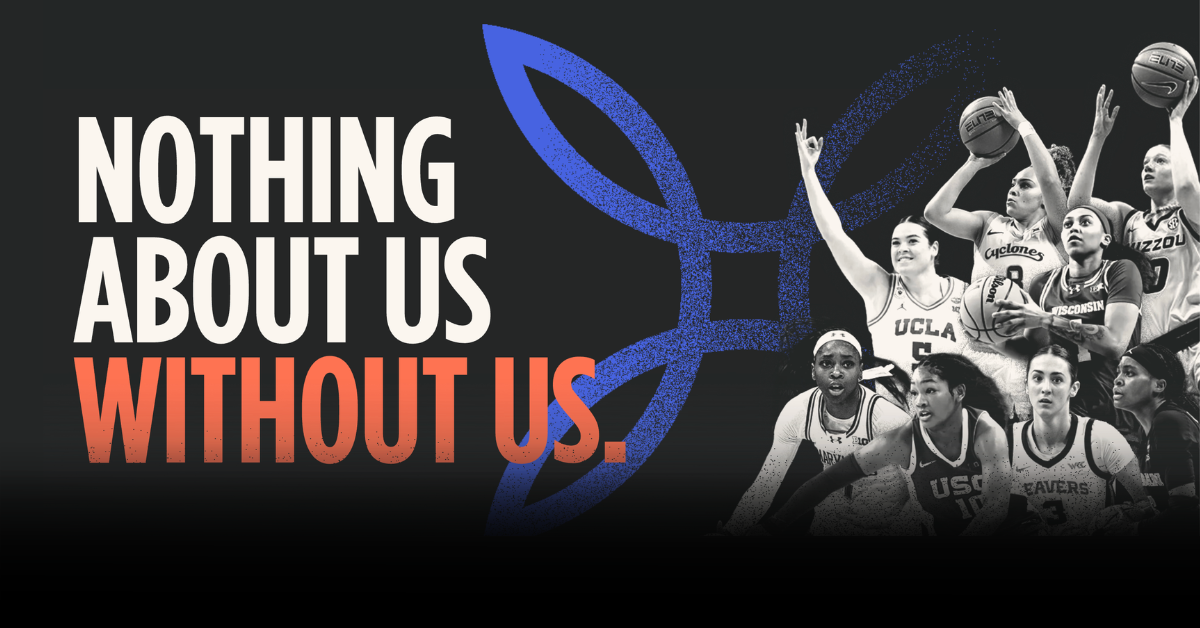
“Collective bargaining guarantees the athletes have a true voice in decisions that impact their lives, families and futures,” continued the AFL-CIO Sports Council statement. “In every workplace, including professional sports leagues, businesses succeed because of collective bargaining, not in spite of it. America’s unions are proud to support the courageous members of UCAA who are demanding a path to a better future, as they fight for the contract they deserve.”
While the OSU players are the first to petition for formal recognition, interest in unionization and a voice in working conditions has been growing among athletes for years.
“The organizing effort began in 2024 when more than 100 college women’s basketball players sent a letter to leaders of the Big Ten and SEC requesting a formal process to collectively collaborate on issues affecting college athletes,” said the UCAA in a press release. “After those conferences refused to meet with the players, the players continued organizing—building relationships across campuses, developing athlete leadership, and laying the foundation for what is now the United College Athletes Association.”
UCAA “seeks to ensure college sports are safe, fair, and sustainable while giving athletes a real seat at the table as college athletics undergoes its most significant transformation in generations.”



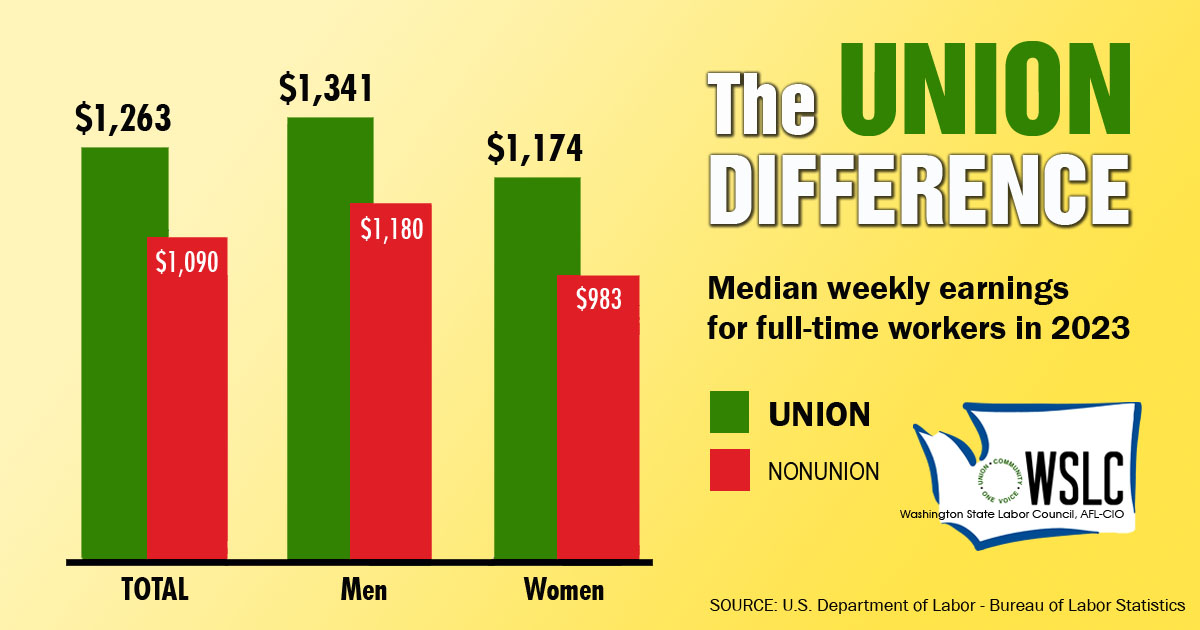
CHECK OUT THE UNION DIFFERENCE in Washington: higher wages, affordable health and dental care, job and retirement security.
FIND OUT HOW TO JOIN TOGETHER with your co-workers to negotiate for better wages, benefits, and a voice at work. Or go ahead and contact a union organizer today!