NEWS ROUNDUP
No confidence in Kitsap | Surveillance pricing | Carney v. strikes
Tuesday, September 29, 2026
LOCAL
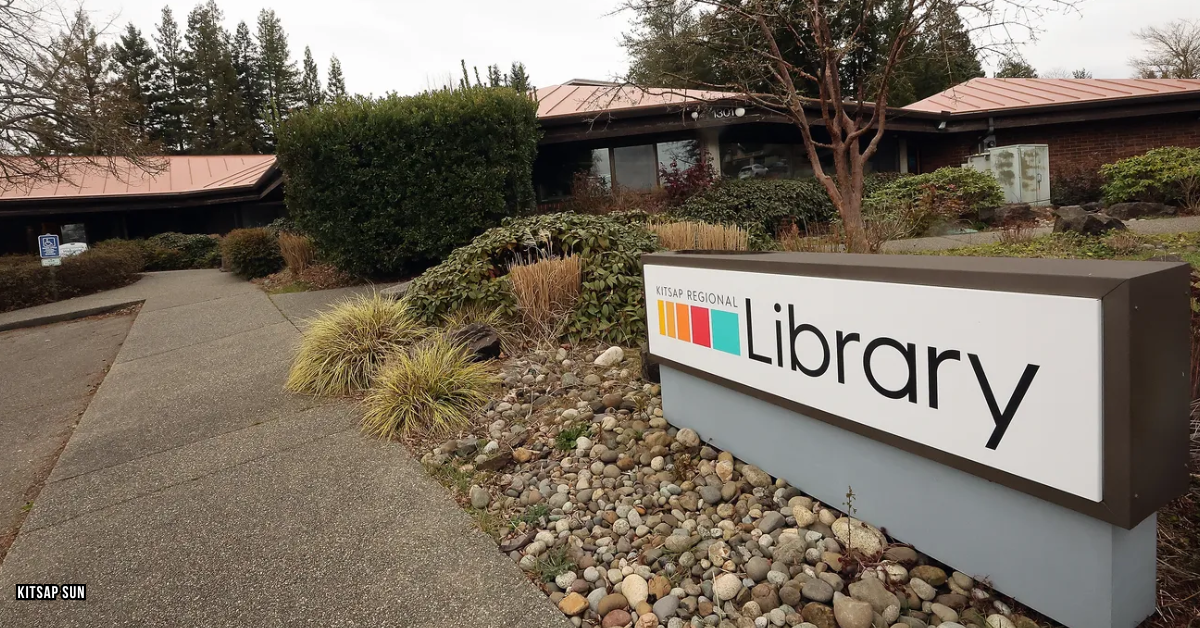
► From the Kitsap Sun — Kitsap library director faces no confidence vote, calls for removal — Kitsap Regional Library Director Jason Driver is facing a series of criticism from the library’s non-management staff, who have voted no confidence in him and urged the library’s Board of Trustees to remove Driver from the leadership role. A third party investigation about Driver is conducted, according to the board.
► From the Cascadia Daily News — Feds using Whatcom County voting rolls to ramp up deportation efforts — U.S. border agents appear to be increasingly questioning Canadian permanent residents living stateside if they’ve ever voted in U.S. elections. Blaine-based immigration lawyer Len Saunders said in the last two weeks, he’s heard from four permanent residents or their relatives who’ve been questioned at the border about their voting history…Washington Attorney General Nick Brown has successfully fought the federal government to prevent it from accessing Washingtonians’ private voter information. However, state voter rolls are public data, which is why Saunders believes federal agencies with citizenship databases can overlay them with public state voter data to determine if permanent residents have voted.
► From KREM — Washington submits federal disaster aid request for record-breaking Spokane Complex, Eastern Washington wildfires — The State of Washington’s request for a major disaster declaration for the Spokane Complex Fires and other devastating fires across Eastern Washington is complete and has been sent to President Donald Trump, Governor Bob Ferguson announced Monday. If approved, the federal request would unlock an estimated $11.2 million in assistance for individuals and $117.7 million for state debris cleanup and emergency costs.
CONTRACT FIGHTS
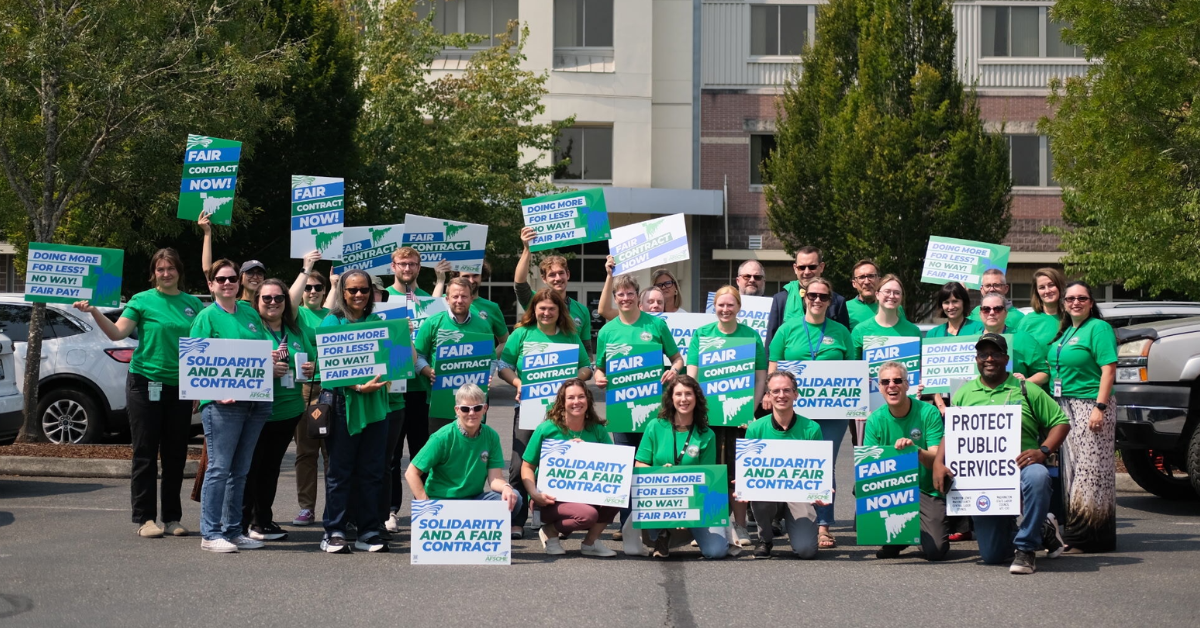
Photo: WFSE
► From the Washington State Standard — WA state worker union OKs new contract with no pay hike — Mike Yestramski, president of [WFSE], said they knew this would be a tough cycle and they “tried to be very realistic with people right from the beginning.”…Under state law, Thursday is the deadline for them to ratify agreements to be considered for funding in the next two-year budget. Ratified contracts go to the Office of Financial Management, where the director will determine if it is feasible to pay for them. If so, Ferguson would be expected to fund them in the two-year budget he will propose in December.
► From the Daily Emerald — SEIU calls off strike — The entire union covers all seven of Oregon public universities, including Portland State University and Oregon State University. SEIU reached a tentative agreement late on the night of Sept. 27. “We’re so grateful for our bargaining team holding firm for 9-months to reach this agreement,” UO SEIU President Jennifer Smith said in a statement to The Daily Emerald. “We’re committed to our work and we look forward to welcoming our students to the first day of classes.”
NATIONAL

► From Wired — How to Beat Surveillance Pricing Before It Bleeds You Dry — I think the biggest contributor to the end of a fair price is new technology. There was, of course, always an impetus to overcharge, but new technologies have supercharged that impulse. Big tech reinvented the rip-off. They supercharged these age-old impulses, and they made it possible to squeeze more out of Americans in almost every transaction…Loyalty programs are sophisticated data harvesting. Most of us kind of know that. We enter knowing it’s a bit of a devil’s bargain. We are giving up a lot of data, but we do it in exchange for the promise of deals and discounts tied to our loyalty. It turns out they’re not holding up their end of the bargain.
► From the Seattle Times — Americans’ view of the economy sinks to the lowest level since 2014, Conference Board survey says — Americans’ confidence in the economy sank to the lowest level in more than a decade this month as prices remain elevated and wages stagnate amid the ongoing Iran war. The Conference Board said Tuesday that its consumer confidence index tumbled 6.7 points to 81.9 in September, down from 88.6 in August. That’s the lowest reading in the board’s survey since April 2014 and below the lowest level reached during the pandemic.
POLITICS & POLICY
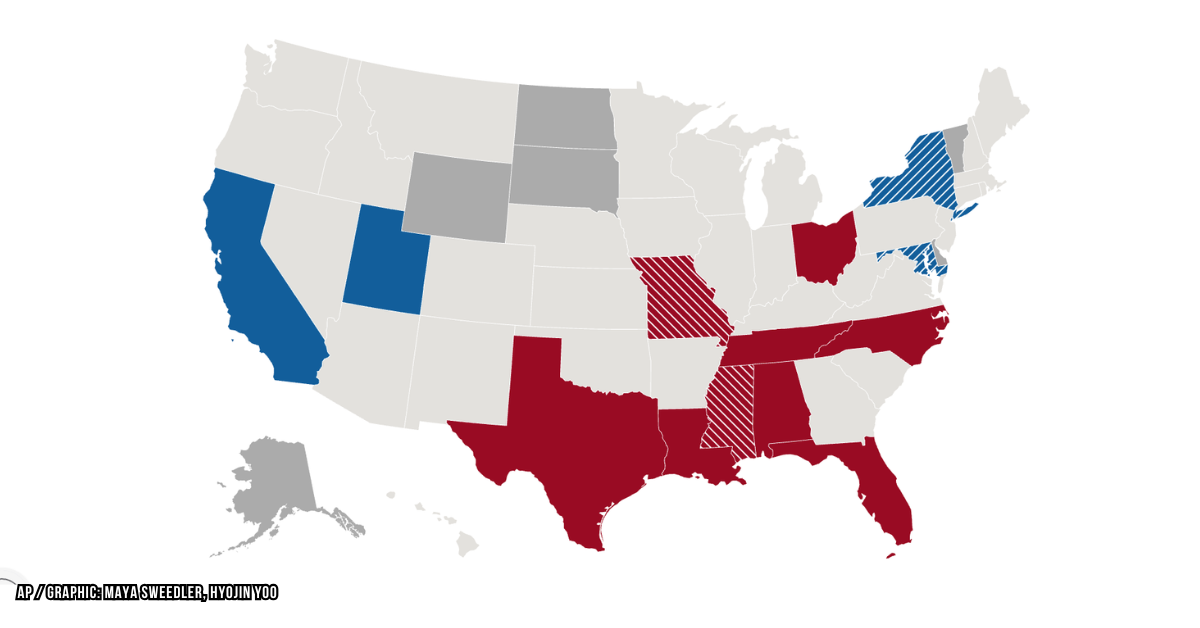
► From the AP — 9 states have new US House districts for the midterm elections after Trump urged changes — All told, new congressional districts are being used this year in Alabama, California, Florida, Louisiana, North Carolina, Ohio, Tennessee, Texas and Utah. All favor Republicans except in California and Utah, where the new boundaries could help Democrats. If the districts all played out as designed, Republicans could net up to nine additional seats, but a good year for Democrats could reduce that tally.
► From the New York Times — Democratic Turnout Surged in the Primaries. Will It Matter in November? — This primary season, perhaps the starkest example of Democratic enthusiasm came in Texas, a state Trump carried by 14 percentage points two years ago. Both parties had hard-fought and expensive Senate primary campaigns there this year. About 150,000 more people voted in the Democratic primary between James Talarico, the victor, and Rep. Jasmine Crockett than in the Republican contest between Sen. John Cornyn and the state’s attorney general, Ken Paxton, who would go on to win in a runoff…Tom Perez, who was the Democratic National Committee chair in 2018, acknowledged that voter enthusiasm among Democrats wouldn’t go as far in the new political environment…“You don’t want to wake up the day after and see that you lost by three points somewhere because you didn’t do anything,” he said.
Editor’s note: speaking of doing something………..sign up today to join a Labor Neighbor action to get out the union vote!
► From CBS News — Senate approves sweeping bill to regulate college sports, despite opposition from some Democrats — In a 77 to 22 vote, the Senate passed the bill, known as the Protect College Sports Act, with some amendments. The bill regulates college athletics, including transfer eligibility and name, image and likeness rights…But some lawmakers and advocacy groups have voiced their opposition, like the Congressional Black Caucus, which said the bill “has failed to meaningfully incorporate the perspectives of Black athletes, Black coaches, Black agents, HBCUs, or the Congressional Black Caucus.”
► From The Guardian — Trump’s deportations to third countries violate human rights, UN experts warn — “The harms caused by this US government scheme are no longer hypothetical,” they said in a joint statement. “The arrangements are triggering a cascade of human rights violations. For migrants in situations of particular vulnerability, the consequences can be deadly.”…Human rights lawyers say the deportations allow the US administration to skirt around its legal obligations because US law does not allow people to be sent back to countries where they are likely to be persecuted. Instead, the Department of Homeland Security has been deporting migrants, including asylum seekers, to third countries. From there, they are often moved on to home countries they had fled.
Editor’s note: worth listening to The Guardian’s ‘Today in Focus’ podcast featuring people subjected to these human rights violations speaking on their experiences.
INTERNATIONAL
► From Jacobin — Mark Carney Is Taking Aim at Canada’s Labor Movement — Tucked inside the sprawling 232-page Bill C-39 are amendments to the Canada Labour Code that would give the federal labor minister explicit authority to terminate lawful strikes and impose binding dispute resolution when the minister decides a work stoppage threatens the “national interest.” The legislation would also create a new “special mediator,” adding an additional state-directed phase to collective bargaining.
The Stand posts links to local, national and international labor news every weekday morning. Subscribe to get daily news in your inbox.



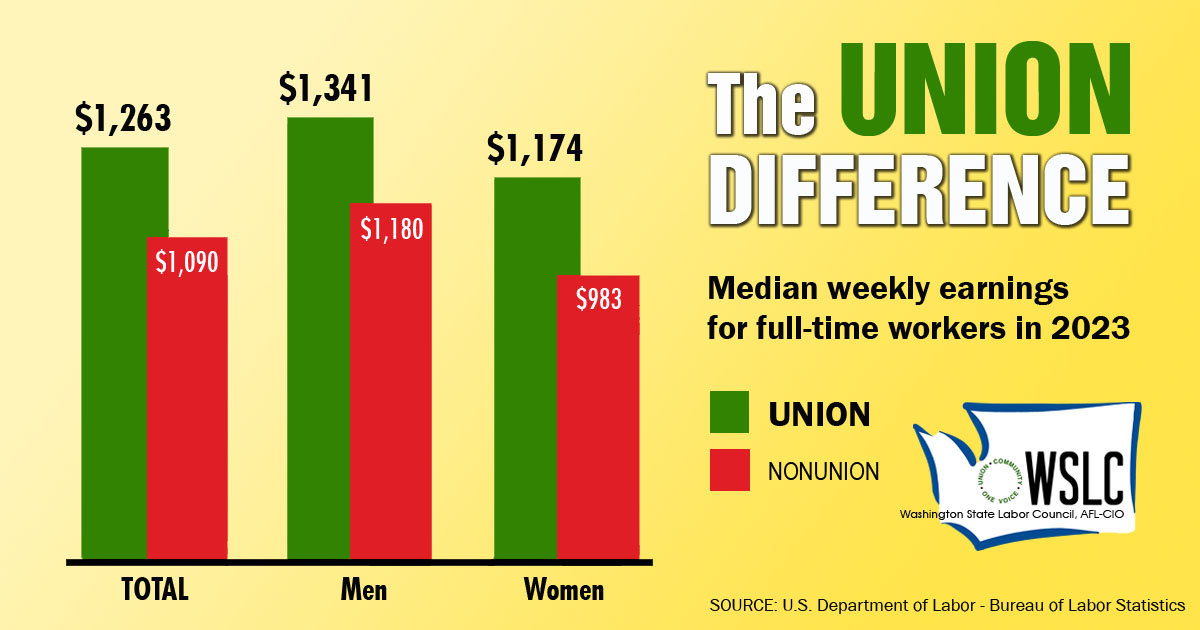
CHECK OUT THE UNION DIFFERENCE in Washington: higher wages, affordable health and dental care, job and retirement security.
FIND OUT HOW TO JOIN TOGETHER with your co-workers to negotiate for better wages, benefits, and a voice at work. Or go ahead and contact a union organizer today!