NATIONAL
Court allows farm worker wage cut to continue
A 2025 ruling slashes H-2A worker pay, driving down wages for agricultural workers already among some of the lowest paid workers in the U.S.
FRESNO, CA (May 19, 2026) — A federal appeals court on Thursday declined to issue a preliminary injunction in the United Farm Workers’ (UFW) lawsuit challenging the Trump administration wage cuts for farm workers. This decision leaves in place a 2025 Department of Labor (DOL) rule that drastically cuts the wages of H2-A workers, lowering the wages for all agricultural workers in the U.S.
Under this new Adverse Effect Wage Rate (AEWR) rule, farm workers may lose as much as $4.4 to $5.4 billion annually, per estimates from the Economic Policy Institute (EPI). It’s a massive transfer of wages from workers back to employers, and one that agricultural workers, already some of the lowest paid workers in the U.S., cannot afford.
“The Trump wage cuts will mean billions of dollars in lost wages for some of the hardest working and worst paid workers in America,” said Teresa Romero, President of UFW, in a statement. “Lowering the wages of the H-2A guest worker program to undercut the wages of American farm workers is plainly illegal. We will continue to demonstrate this in court and look forward to a final ruling. We are confident farm workers and the law will prevail.”
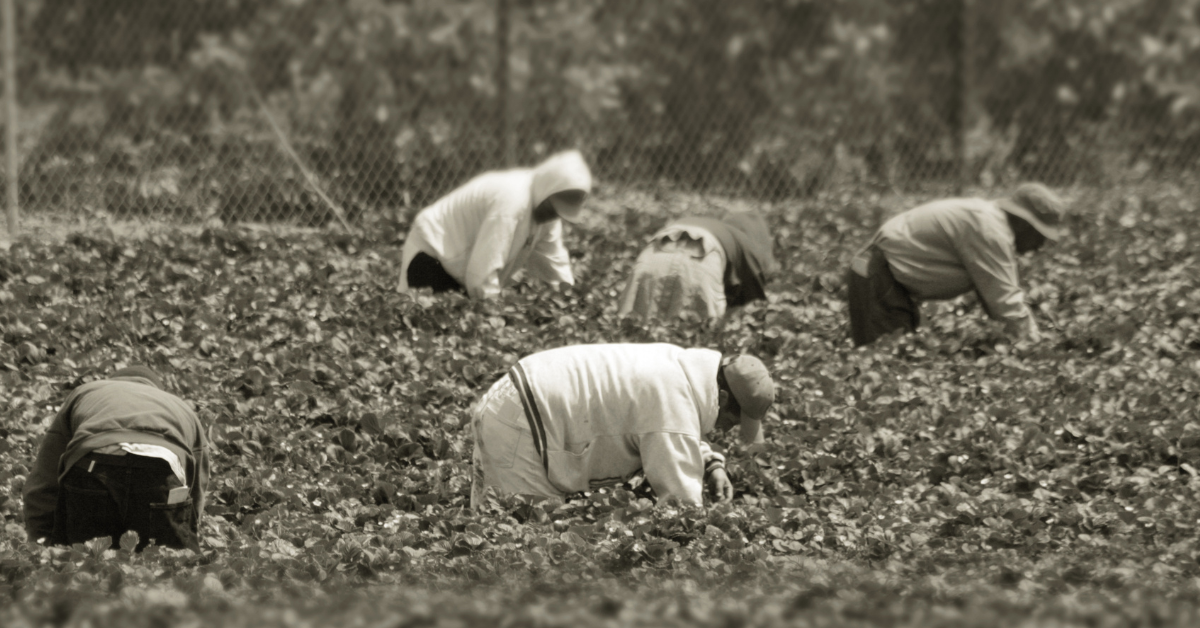
Photo: Getty Images Signature
The UFW and 18 farm workers sued the Trump administration in November of 2025, challenging a newly issued rule modifying the AEWR, which sets the pay minimum for H-2A workers. Under the new rule, H-2A workers wages are cut between $3 to $7 per hour and workers are now on the hook for the cost of their housing, a drastic change in the program. In Washington, H2A workers will face a wage cut of $3.29 an hour, before a housing deduction of $2.49, putting the AEWR in the state below Washington’s minimum wage of $16.66 an hour. These wage cuts for H-2A workers puts significant downward pressure on wages for all farm workers.
The DOL justifies these changes as a necessary response to a supposed domestic labor shortage that has driven up the use of H2A workers, resulting in high costs for farm owners. But farm worker unions like the UFW dispute that claim, sharing reports from domestic farm workers that they have been denied work in local crops, having to travel out of state instead. EPI research shows use of the H-2A program has more than tripled in the past decade, a dramatic expansion of a workforce whose exploitation and abuse has been described as a form of modern-day slavery.
Per the UFW, plaintiffs in the lawsuit include U.S. farm workers from Michigan, Georgia, California, Washington, Texas, and Missouri.
“Every day the Trump wage cut is in effect makes it harder for farm workers to make ends meet,” said Romero. “We will organize to overcome this sad reality as we always do — in the fields, in the legislatures, and in the courts. Farm workers will always fight for the wages we deserve.”



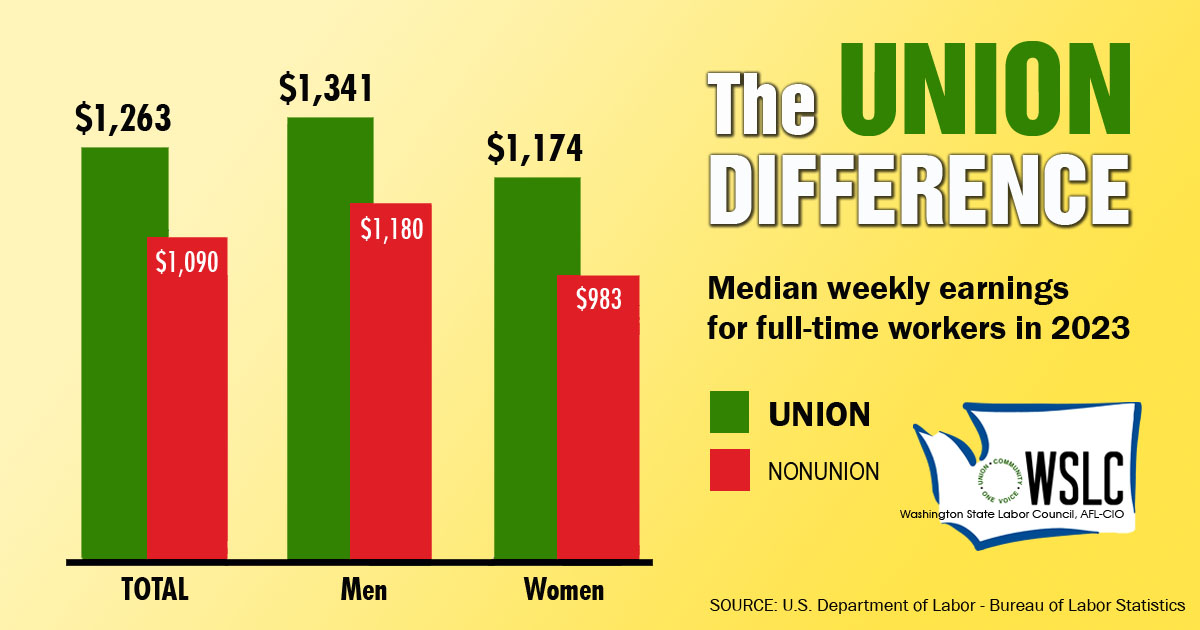
CHECK OUT THE UNION DIFFERENCE in Washington: higher wages, affordable health and dental care, job and retirement security.
FIND OUT HOW TO JOIN TOGETHER with your co-workers to negotiate for better wages, benefits, and a voice at work. Or go ahead and contact a union organizer today!